
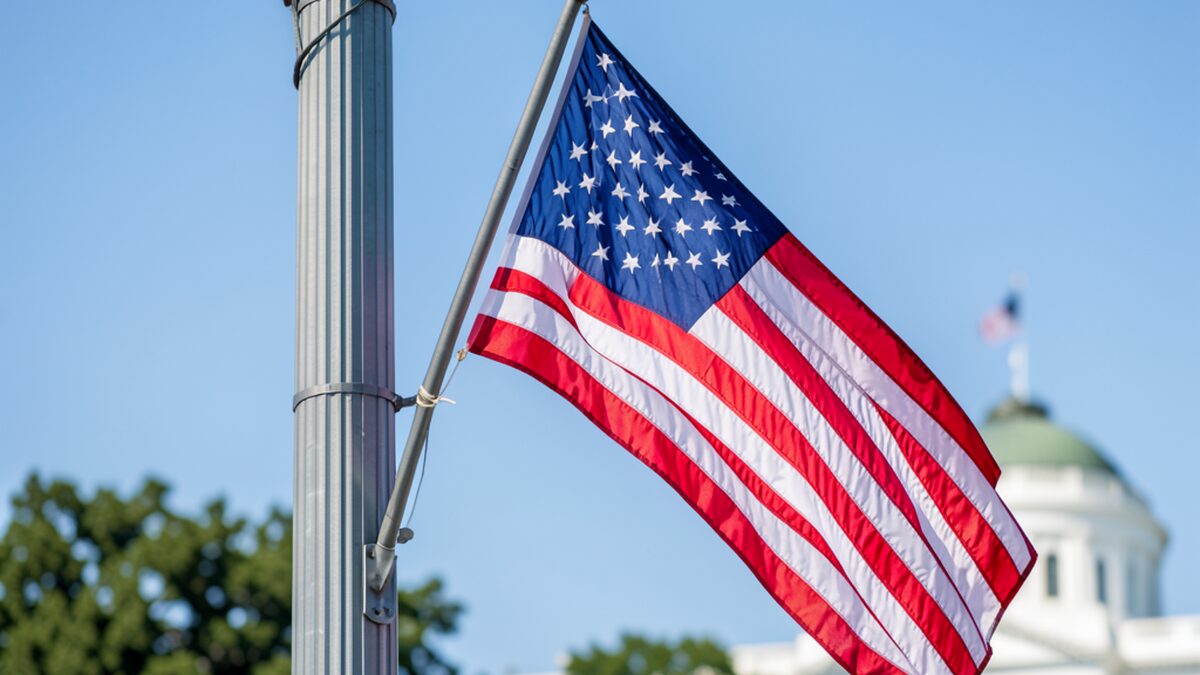
The United States Flag Code, established in 1923, outlines precise protocols for displaying the national flag, including the significant gesture of flying it at half-staff. This practice serves as a powerful symbol of mourning and respect for notable individuals and national tragedies. Exploring these guidelines reveals how the flag embodies collective memory and dignity, underscoring its enduring role in American identity during moments of solemn reflection.
Key Takeaways
- The US Flag Code formally defines half-staff as the flag positioned halfway down the flagpole.
- Half-staff is used to honor distinguished individuals and signify national mourning.
- The Code is codified in federal law under 4 U.S. Code § 7 for government displays.
- The term “half-staff” applies to land-based flags, while “half-mast” is used for ships.
Since its adoption in 1923, the United States Flag Code has served as a formal guide for the respectful display and treatment of the national emblem, reflecting the flag’s enduring symbolism of unity and sacrifice throughout American history. Among its prescribed practices, the Code delineates specific protocols for flying the flag at half-staff, a solemn gesture honoring the memory of distinguished individuals and marking periods of national mourning. This tradition, rooted in centuries-old customs of signaling grief and respect, underscores the flag’s role as a powerful emblem of collective remembrance and national dignity.
Definition and Context of Half-Staff
The US Flag Code Guidelines for Displaying Flags at Half-Staff specify that “half-staff” refers to the flag position exactly halfway between the top and bottom of the flagpole. This precise placement is codified in federal law under 4 U.S. Code § 7, titled “Position and manner of display,” which governs the national flag’s display on government buildings, grounds, and naval vessels. It is important to distinguish the terminology: while “half-mast” is traditionally used for flags on ships, the Flag Code and associated materials uniformly apply the term “half-staff” for flags flown on land. This distinction ensures clarity in the flag’s display protocols and maintains consistent respect for the symbol during periods of mourning or solemn commemoration.
This tradition, rooted in centuries-old customs of signaling grief and respect, underscores the flag’s role as a powerful emblem of collective remembrance and national dignity.
Proper Procedure for Raising and Lowering the Flag at Half-Staff
The US Flag Code Guidelines for Displaying Flags at Half-Staff clearly outline the method for raising and lowering the flag. When a flag is to be flown at half-staff, it must first be hoisted briskly to the peak of the flagpole. This initial elevation to the top of the staff symbolizes respect and the flag’s full dignity before it is lowered. Subsequently, the flag is carefully lowered to the half-staff position, halfway down the pole. At the end of the day’s display, the flag should again be raised to the peak before being fully lowered. This sequence of movements is intended to maintain the flag’s honor and is reinforced by guidance from the Department of Veterans Affairs and other official flag etiquette authorities. The precision of these steps distinguishes a respectful half-staff display from a flag simply left lowered for convenience or oversight.
Memorial Day Exception to Half-Staff Protocol
Memorial Day presents a unique exception within the US Flag Code Guidelines for Displaying Flags at Half-Staff. On this national day of remembrance, the flag is flown at half-staff only from sunrise until noon. This limited duration honors the nation’s war dead and battlefield heroes with solemnity during the morning hours. At noon, the flag is then raised briskly to full staff and remains there until sunset, symbolizing the nation’s resolve and ongoing commitment to freedom. This practice is explicitly stated in the Flag Code and further emphasized in Veterans Affairs publications and Veterans of Foreign Wars flag etiquette resources. The noon raising on Memorial Day serves as a powerful visual transition from mourning to celebration of the sacrifices made for the country’s liberty and peace.