The nuanced distinctions between the U.S. national flag and the ensign in maritime contexts reveal a complex interplay of symbolism and legal authority. While both flags share visual elements, their separate roles underscore important protocols that govern their use on land and at sea. Understanding these differences offers insight into maritime traditions and the broader framework of national identity and jurisdiction. What implications do these distinctions hold for naval operations and civilian vessels alike?
Key Takeaways
- The U.S. national flag and ensign share the same design but serve different maritime functions.
- The national flag represents American identity broadly on land and abroad.
- The ensign specifically signals a vessel's nationality and legal authority at sea.
- Maritime protocols strictly govern the display and use of the ensign versus the national flag.
In the realm of United States maritime tradition, the ensign and the national flag serve distinct yet often conflated purposes, their visual similarities masking fundamental differences in function and symbolism. The national flag, emblematic of the nation’s identity on land and abroad, contrasts sharply with the ensign, which specifically denotes a vessel’s nationality and authority at sea. While the former is flown broadly to represent American sovereignty and unity, the latter operates within a strict maritime context, signaling legal status and jurisdiction. This juxtaposition underscores not only their differing roles but also the nuanced protocols governing their display and use in naval and civilian maritime environments.
Core Distinction in U.S. Maritime Use
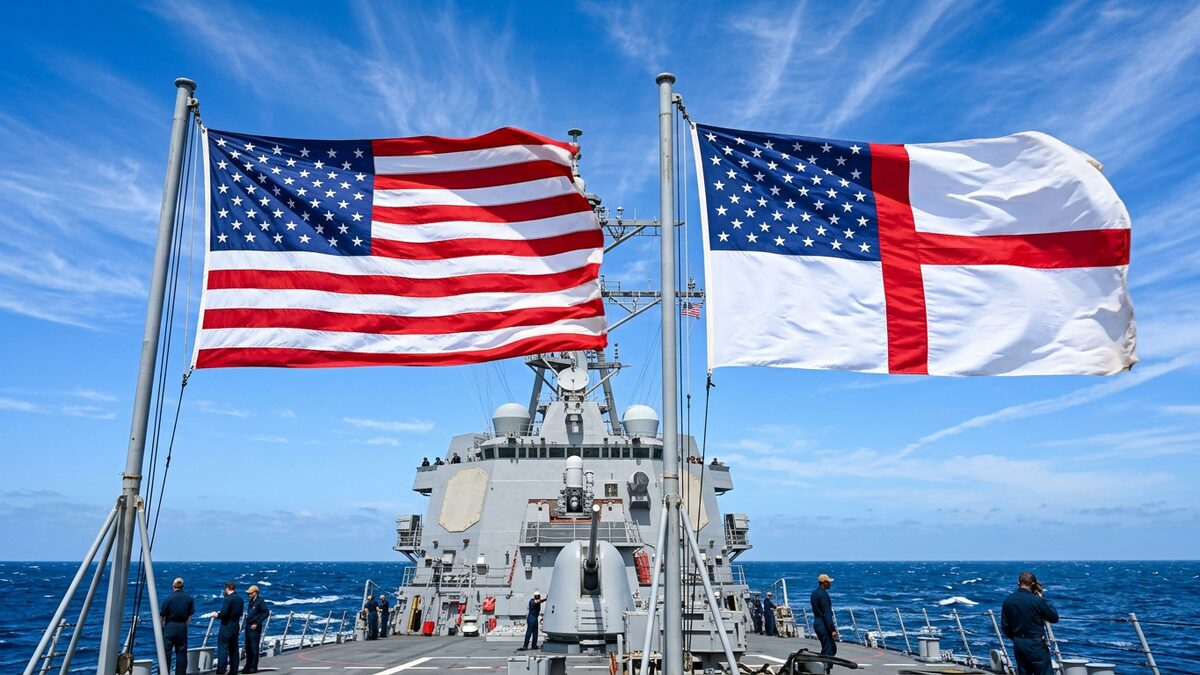
In the United States, the national flag and the ensign share the same design: the familiar 50-star flag with stripes. This visual identity is unique compared to many other maritime nations that employ distinct ensigns differing from their national flags. The term “ensign” in maritime practice specifically refers to the flag flown by a vessel to indicate its nationality, a critical signal in international waters for establishing legal status and jurisdiction. The U.S. Navy’s official training materials confirm that the national flag and the ensign are identical in design, underscoring that the primary difference is not visual but contextual. Maritime sources stress that the ensign functions as a symbol of a ship’s national character, especially when the vessel operates beyond domestic waters. Thus, while the stars and stripes remain constant, their meaning shifts with environment and usage, highlighting the nuanced role each flag plays within U.S. maritime tradition.
The national flag, emblematic of the nation’s identity on land and abroad, contrasts sharply with the ensign, which specifically denotes a vessel’s nationality and authority at sea.
What the U.S. National Ensign Does
The national ensign serves as the official maritime marker of nationality, signaling that a vessel is subject to the laws and protections of the United States. This identification is particularly vital in international or foreign waters, where the flag asserts the vessel’s legal standing and sovereignty. U.S.-documented vessels, government-owned ships, and naval warships unequivocally bear the national ensign, which confirms their American status. Maritime etiquette prescribes the use of the national ensign when entering or leaving port and while navigating foreign waters, making it the preferred flag for U.S. vessels in these contexts. This protocol ensures clear communication of nationality to foreign authorities and other ships, facilitating lawful maritime passage and interactions. In essence, the national ensign is the maritime embodiment of U.S. sovereignty, reinforcing the vessel’s connection to the nation on the high seas.
The U.S. Yacht Ensign as a Maritime Variant
Distinct from the national ensign is the U.S. Yacht Ensign, a variation historically and presently associated with pleasure craft. This flag modifies the canton of the national flag by replacing the stars with a fouled anchor encircled by 13 stars, symbolizing maritime heritage and tradition. From 1848 to 1980, licensed yachts were legally required to fly this ensign, differentiating recreational vessels from commercial or military ships. Although no longer mandated by law, the yacht ensign remains a customary flag for recreational boats in U.S. waters. Modern flag etiquette acknowledges its use by pleasure craft of all sizes, serving as a subtle yet recognized emblem of American yachting culture. This maritime variant reflects the layered nature of U.S. flag usage at sea, where different flags convey nuanced meanings connected to vessel type, function, and status.