Henry Cabot Lodge’s assertion that the American flag embodies the nation’s history and sacrifice underscores the importance of proper flag etiquette on federal holidays. This article explores the protocols that govern the respectful display of the flag on key dates, reflecting a collective commitment to honor America’s founding principles. Understanding these guidelines is essential for preserving the flag’s dignity and the values it represents.
Key Takeaways
- Proper flag etiquette on federal holidays honors the history and sacrifices of the United States.
- The American flag must be displayed on all national and state holidays, including key federal holidays like New Year's Day and Martin Luther King Jr. Day.
- Displaying the flag on designated days serves as a unifying symbol for the nation.
- Respectful presentation of the flag reflects the reverence and dignity it commands.
“‘The flag is the embodiment, not of sentiment, but of history,’ wrote Henry Cabot Lodge, underscoring the profound significance of the American flag as a symbol of national identity and sacrifice. Observing proper flag etiquette on federal holidays is not merely tradition but a solemn duty that honors the principles and sacrifices upon which the United States was founded. This article delineates the accepted protocols for displaying the flag with dignity and respect during these occasions, ensuring that its presentation reflects the reverence it commands.”
Mandatory Display Dates and Federal Holiday Schedule
The American flag is required to be displayed on all national and state holidays, as well as on specific historic and special occasions. These mandatory display dates encompass a range of federally recognized holidays, underscoring the flag’s role as a unifying emblem throughout the nation’s calendar. Key federal holidays mandating flag display include New Year’s Day (January 1), Inauguration Day (January 20), and Martin Luther King Jr.’s birthday, observed on the third Monday in January.
“Observing proper flag etiquette on federal holidays is not merely tradition but a solemn duty that honors the principles and sacrifices upon which the United States was founded.”
Additional designated display days of note include Lincoln’s Birthday (February 12), Washington’s Birthday (third Monday in February), and National Vietnam War Veterans Day (March 29). The importance of flag presentation is further emphasized on Memorial Day (last Monday in May), Flag Day (June 14), Independence Day (July 4), Veterans Day (November 11), Thanksgiving Day (fourth Thursday in November), and Christmas Day (December 25). On these occasions, the proper display of the American flag on federal holidays serves to honor the nation’s heritage and the sacrifices of its citizens.
Sunrise-to-Sunset Protocol and Night Illumination Rules
Standard flag etiquette dictates that the American flag should be displayed only from sunrise to sunset on buildings and stationary flagstaffs in the open. This practice ensures the flag is presented with the respect it merits during daylight hours. However, the flag may be exhibited 24 hours a day provided it is properly illuminated during hours of darkness. Illumination is essential to maintain the flag’s visibility and dignity when displayed at night.
Traditional guidelines recommend limiting public flag display strictly to daylight hours unless a patriotic effect is intended. In such cases, continuous display throughout the night is permissible, contingent upon adequate lighting. This illuminated display not only preserves the flag’s prominence but also reflects the enduring spirit of patriotism, especially on federal holidays when national pride is most prominently expressed.
Half-Staff Protocol for Specific Mourning Holidays
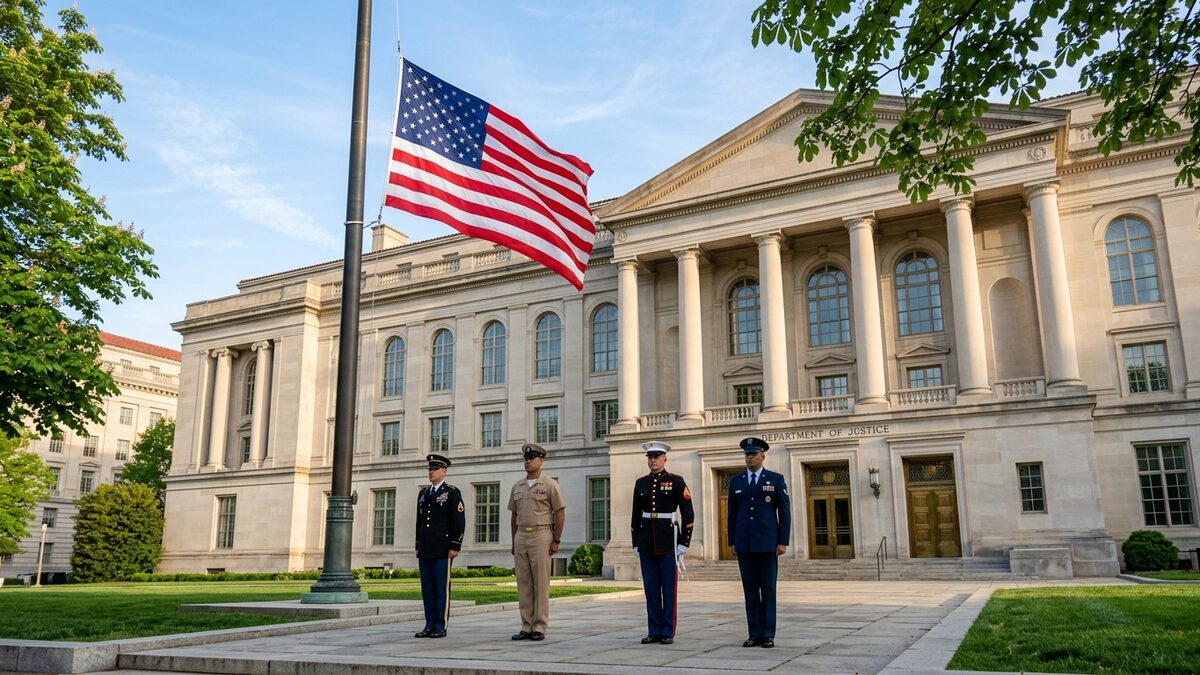
Half-staff displays of the American flag serve as a solemn tribute on designated mourning days. On Memorial Day, the flag is flown at half-staff from sunrise until noon, after which it is raised to full-staff until sunset. This practice honors the memory of those who have sacrificed their lives in service to the nation. Other observances requiring half-staff display include Peace Officers Memorial Day, Korean War Veterans Day, and Pearl Harbor Day, each recognizing the fallen and deceased veterans associated with these commemorations.
The correct method for flying the flag at half-staff involves first raising it briskly to the peak of the flagpole, then lowering it to the halfway point. This precise protocol ensures that the flag’s position conveys proper respect and mourning in accordance with established flag etiquette. Adhering to these instructions on federal holidays reinforces the flag’s role as a symbol of national reverence and collective memory.