
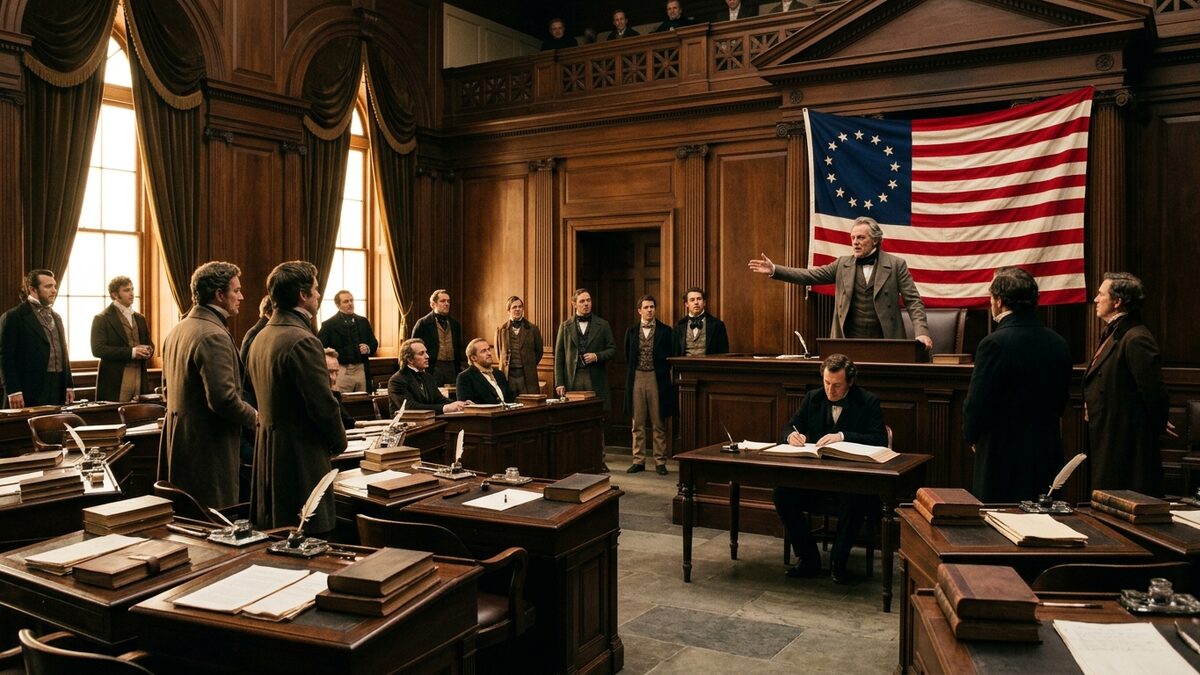
The establishment of Flag Day as a national observance reflects a deliberate legislative effort to enshrine the American flag’s enduring symbolism within the country’s cultural and historical fabric. Tracing the journey from the Continental Congress’s 1777 adoption of the Stars and Stripes to the formal recognition of Flag Day reveals the intricate interplay of patriotism, identity, and political advocacy. This exploration uncovers the motivations and milestones behind institutionalizing this emblem of national unity.
Key Takeaways
- Flag Day commemorates the adoption of the Stars and Stripes by the Continental Congress on June 14, 1777.
- Local and state celebrations of Flag Day preceded its formal recognition by the federal government.
- The legislative process to establish Flag Day as a national observance was driven by a desire to honor the flag's symbolism of unity and heritage.
- Flag Day was officially institutionalized nearly a century after the flag's adoption to promote national pride.
On June 14, 1777, the Continental Congress adopted the Stars and Stripes as the official flag of the United States, marking a pivotal moment in the nation’s quest for identity and unity during the Revolutionary War. Nearly a century later, this date would become the focal point of a formal legislative effort to establish Flag Day as a national observance. Rooted in the patriotic fervor and historical symbolism of the original flag’s adoption, the legislative process reflected a growing desire to institutionalize the commemoration of the American flag as an emblem of national pride and heritage.
Origins of the Observance
The historical foundation of Flag Day is anchored in the decision by the Continental Congress on June 14, 1777, to adopt the Stars and Stripes as the official flag of the United States. This date was later designated as the annual occasion to honor the flag, symbolizing the unity and ideals of the nation. Prior to federal involvement, observances of Flag Day emerged organically at local and state levels. Many communities held celebrations to mark the date, reflecting a grassroots patriotic enthusiasm that predated official recognition. Notably, Bernard J. Cigrand, a Wisconsin schoolteacher, played a significant role in popularizing the observance during the late 19th century by promoting the importance of commemorating the flag through educational and civic events. Over several decades, these localized activities contributed to the growing momentum that would eventually lead to national acknowledgment.
On June 14, 1777, the Continental Congress adopted the Stars and Stripes as the official flag of the United States, marking a pivotal moment in the nation’s quest for identity and unity during the Revolutionary War.
First Presidential Recognition in 1916
The initial federal recognition of Flag Day came under President Woodrow Wilson, who issued a proclamation on May 30, 1916, formally establishing June 14 as the national date for Flag Day observance. This proclamation marked the first time the federal government recognized the day on a nationwide basis, providing an official endorsement while encouraging Americans to celebrate the flag’s significance. However, this presidential proclamation did not create a permanent or statutory observance; it served primarily as a national call to action that complemented the many local and state celebrations already in place. The 1916 proclamation laid critical groundwork by unifying the observance under federal auspices and set a precedent for future legislative efforts to formalize Flag Day as a permanent national event.
Congressional Action in 1949
The legislative process establishing Flag Day as a national observance culminated with congressional approval of a joint resolution on August 3, 1949. This statute, cited officially as 63 Stat. 492, designated June 14 of each year as Flag Day and called on the President to issue an annual proclamation urging Americans to observe the day. The resolution also mandated the display of the American flag on all federal government buildings, reinforcing the symbolism associated with the flag and its observance. President Harry S. Truman signed the legislation into law, thereby making Flag Day a permanent national observance. According to the National Park Service, this 1949 congressional action was decisive in elevating Flag Day from a tradition maintained by presidential proclamation and local custom to a formalized, statutory national event. The legislation ensured the continued recognition of the flag’s importance in American culture and patriotism through ongoing federal endorsement and public observance.