
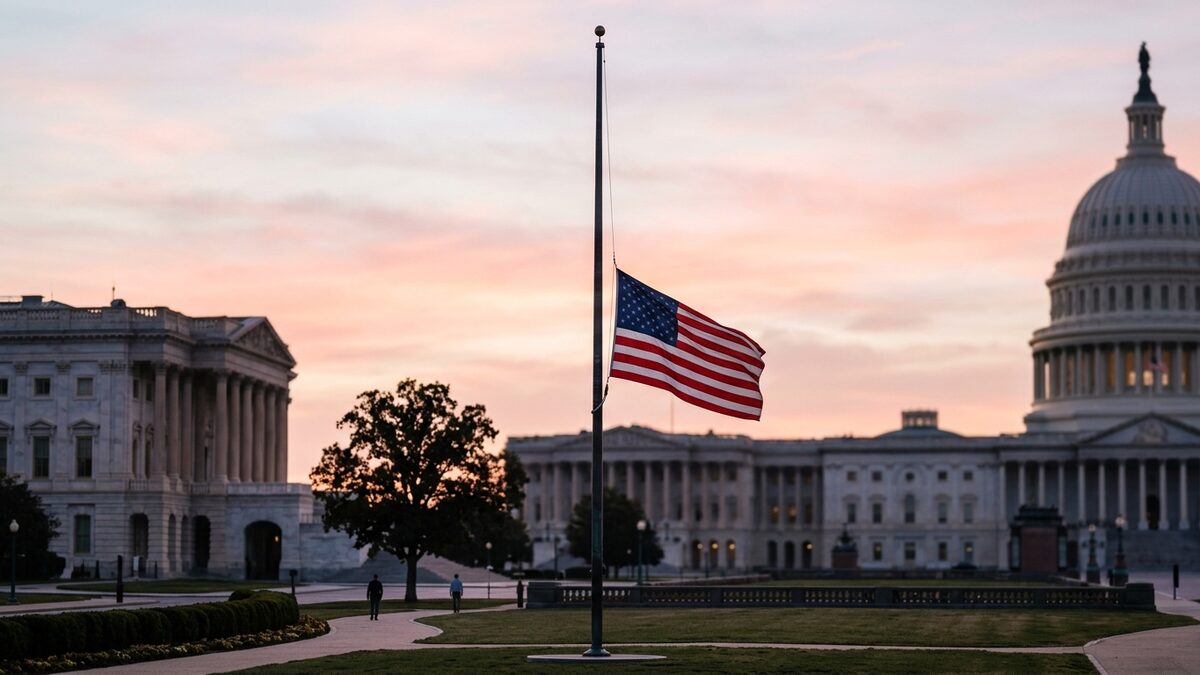
The United States Flag Code meticulously outlines the protocols for displaying the American flag at half-staff, a practice deeply embedded in national tradition to honor significant loss and mourning. These regulations not only dictate the timing and duration but also the precise positioning of the flag, ensuring a consistent and respectful tribute across the country. Understanding these guidelines offers insight into how symbolic gestures reinforce collective memory and national unity during times of solemnity.
Key Takeaways
- The US Flag Code mandates lowering the American flag to half-staff as a sign of national mourning and respect.
- Half-staff is defined as positioning the flag halfway between the top and bottom of the flagpole.
- All other flags displayed with the US flag must also be lowered to half-staff when the national flag is lowered.
- The Flag Code ensures uniform and solemn observance of the flag at half-staff during designated periods.
What message does the lowering of the American flag to half-staff convey, and how does the United States Flag Code dictate this solemn gesture? The Flag Code establishes clear guidelines for the display of the national flag at half-staff, prescribing the circumstances, duration, and manner in which this symbol of national mourning and respect should be presented. By regulating these protocols, the Code ensures uniformity and reverence in public observance, reflecting the gravity of loss or tragedy recognized by the government and the nation.
Definition and Physical Positioning of Half-Staff
The United States Flag Code precisely defines the half-staff position as the flag being lowered to a point one-half the distance between the top and bottom of the flagpole. This means the flag is not simply lowered to the middle of the pole but positioned exactly at the midpoint between the peak of the staff and its base. Such specific positioning underscores the solemnity and distinctiveness of this display.
The Flag Code establishes clear guidelines for the display of the national flag at half-staff, prescribing the circumstances, duration, and manner in which this symbol of national mourning and respect should be presented.
When the U.S. flag is flown at half-staff, all other flags displayed alongside it—whether state, city, or organizational—are required to be lowered to the same level, ensuring the national flag remains the preeminent symbol. Importantly, the half-staff position serves exclusively as a mark of respect and mourning for deceased officials or national tragedies and is not to be used for decorative purposes, preserving the dignity and meaning of this practice under US Flag Code regulations for half-staff flag display.
Mandatory Hoisting and Lowering Procedure
The US Flag Code mandates a specific protocol for raising and lowering the flag to half-staff to maintain reverence and uniformity. Each time the flag is displayed at half-staff, it must first be hoisted briskly to the peak of the flagpole before being lowered to the half-staff position. This initial raising signifies respect and ensures clear visibility of the flag before it is lowered into mourning status.
Similarly, at the end of the day, before the flag is lowered completely, it must again be raised to the peak for an instant before being ceremoniously lowered. The hoisting is performed briskly to denote alertness and dignity, while the lowering is slow and deliberate to convey solemnity. These procedures are legally mandated under 4 USC 7(m), and failure to comply with the prescribed manner of display constitutes a violation of the Flag Code regulations for half-staff flag display.
Memorial Day Specific Regulations
Memorial Day holds a unique place in the US Flag Code by prescribing a specific timeframe for half-staff display. On this day, the flag must be flown at half-staff from sunrise until noon. This morning period is dedicated to mourning and honoring the nation’s fallen battle heroes.
At noon, the flag must be raised briskly to the top of the staff and remain there until sunset, symbolically transitioning from mourning to celebration of the service and sacrifice of military personnel. This midday change is distinct to Memorial Day and represents the only federally mandated time limit for half-staff display without a presidential proclamation or other official directive, highlighting the special significance the Flag Code attaches to this national observance.