
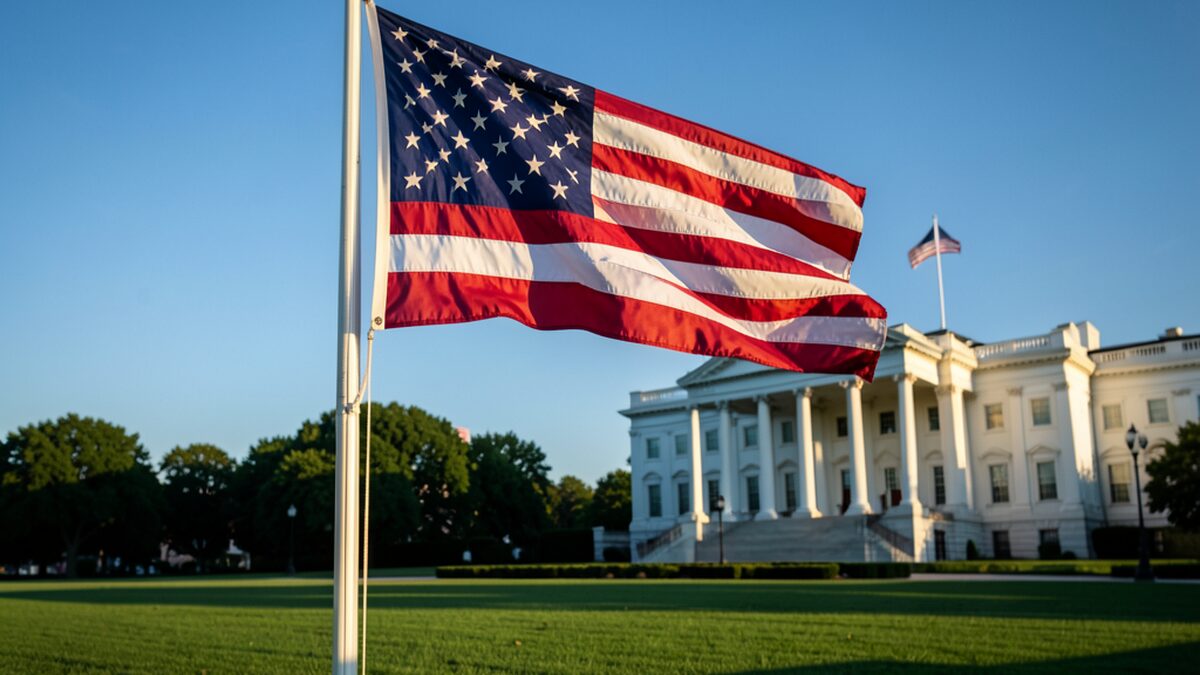
The practice of flying the American flag at half-staff carries profound symbolic weight, representing collective mourning and respect during times of national significance. This article explores the historical origins, established protocols, and the occasions that call for this poignant gesture. By examining these elements, it offers insight into how the nation expresses unity and reverence through this deeply meaningful tradition.
Key Takeaways
- The American flag flown at half-staff symbolizes national mourning and respect.
- This practice honors lives lost and individuals who sacrificed for the country.
- The protocol is formalized in the United States Flag Code.
- President Eisenhower’s 1954 proclamation established the half-staff tradition.
What does it mean when the American flag is lowered to half-staff, hanging solemnly below its usual height? This gesture, deeply embedded in national tradition, serves as a powerful symbol of mourning, respect, and remembrance. Understanding why and when the flag is flown at half-staff reveals much about the nation’s values, its recognition of loss, and the protocols that guide this poignant act of collective honor.
Symbolic Meaning and Purpose of Half-Staff Display
Flying the American flag at half-staff universally signifies grief, mourning, and national distress. By positioning the flag approximately midway between the top and bottom of the staff, the nation visually communicates a period of solemn reflection and sorrow. This practice honors the lives lost during tragic events and commemorates individuals who have sacrificed for the country, serving as a collective tribute and expression of respect.
Flying the American flag at half-staff universally signifies grief, mourning, and national distress.
The formalization of this protocol is rooted in the United States Flag Code, with a notable proclamation issued by President Dwight Eisenhower on March 1, 1954. Since then, the half-staff display has become an established symbol of national mourning, reinforcing the American people’s unity and reverence during times of loss.
Five Designated National Holidays for Half-Staff
The American Flag Half-Staff: Reasons and Timing include specific national observances during which the flag is flown at half-staff to honor particular groups and historic events. One such day is Peace Officers Memorial Day, observed annually on May 15, which pays tribute to law enforcement personnel who died in the line of duty. On this day, the flag is flown at half-staff from sunrise to sunset.
Memorial Day, occurring on the last Monday in May, holds a unique protocol: the flag is displayed at half-staff from sunrise until noon to honor fallen military personnel, then raised to full staff from noon until sunset to symbolize the nation’s resolve and continued freedom. Other designated days include Patriot Day on September 11, commemorating the victims of the 2001 terrorist attacks; National Firefighters Memorial Day on the first Sunday in October, recognizing firefighters who died in service; and Pearl Harbor Remembrance Day on December 7, honoring those killed in the 1941 attack. On these occasions, the flag is flown at half-staff from sunrise to sunset.
Presidential and Gubernatorial Authority to Order Half-Staff
The authority to order the American flag to be flown at half-staff rests primarily with the President of the United States, who may do so at any time throughout the year for any specified duration. Presidential proclamations often follow the death of nationally or internationally significant figures, or in response to events of profound impact on the nation.
State governors also hold the power to direct half-staff displays within their jurisdictions. These orders frequently respond to state-level tragedies or the passing of prominent state officials, ensuring that mourning and respect are observed locally as well as nationally. Both federal and state executives can mandate half-staff flag displays on all government buildings, grounds, and naval vessels under their control, underscoring the flag’s role as a unifying emblem during periods of mourning.