
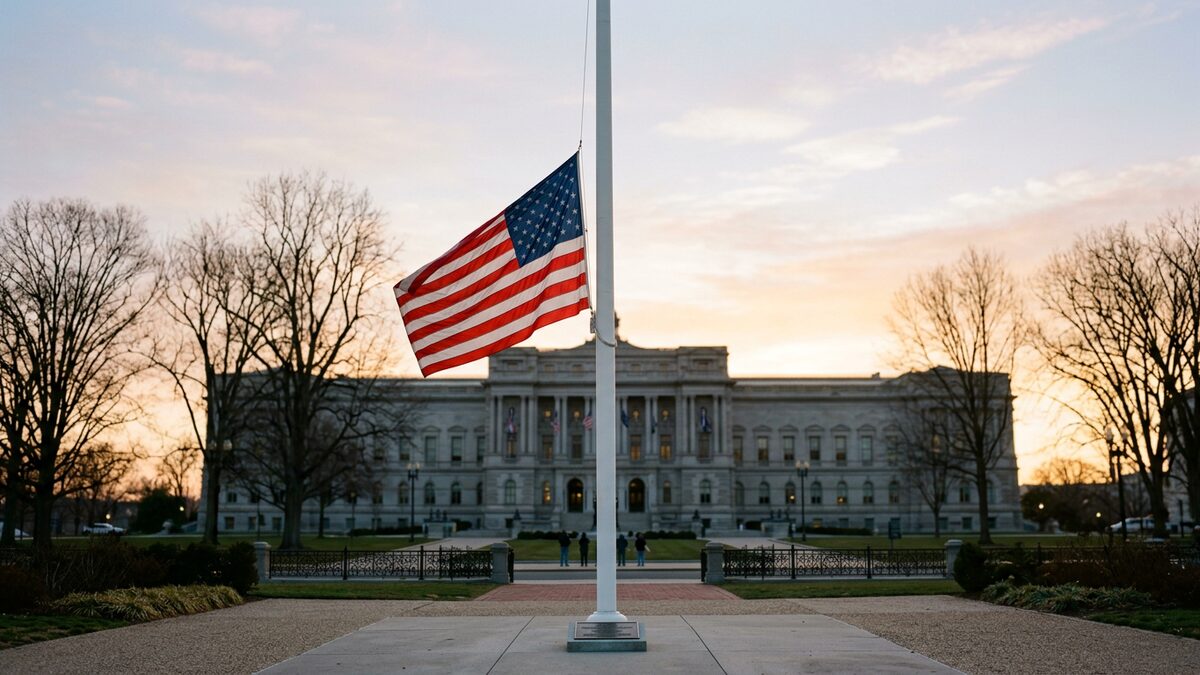
The practice of flying the American flag at half-staff carries deep historical significance, rooted in maritime tradition and solidified during the Civil War as a mark of respect for those who have sacrificed for the nation. Today, this solemn gesture functions as a powerful symbol of collective mourning and unity, guided by formal proclamations from the highest levels of government. Understanding the origins and evolving protocols sheds light on the profound meaning behind this national expression.
Key Takeaways
- The American flag is flown at half-staff as a solemn gesture of mourning and respect rooted in early maritime customs.
- This practice was formalized during the Civil War to honor fallen soldiers and national tragedies.
- Presidential proclamations and congressional resolutions codify when the flag is flown at half-staff.
- The President and state governors have legal authority to order the flag at half-staff under the U.S. Flag Code.
The tradition of flying the American flag at half-staff dates back to the early days of the nation, reflecting a solemn gesture rooted in maritime customs and adapted during times of mourning and respect. It became a formalized practice during the Civil War, when the flag was lowered to honor fallen soldiers and national tragedies, symbolizing collective grief and reverence. Over time, this act has been codified through presidential proclamations and congressional resolutions, serving as a visible reminder of loss, remembrance, and unity in moments of national significance.
Official Authority and Legal Basis for Half-Staff Orders
The authority to order the American flag to be flown at half-staff is primarily vested in the President of the United States, who may issue nationwide directives under the U.S. Flag Code. This statutory framework, codified in Title 4, Chapter 1 of the United States Code, outlines the conditions and procedures governing flag display, including half-staff protocols. In addition to presidential authority, state governors possess the power to mandate half-staff displays within their respective states, territories, or possessions. Similarly, the Mayor of the District of Columbia may prescribe half-staff observances within the District. These orders are typically issued to honor deceased government officials, military personnel, or in response to national tragedies, thereby providing a formal and visible expression of mourning and respect.
It became a formalized practice during the Civil War, when the flag was lowered to honor fallen soldiers and national tragedies, symbolizing collective grief and reverence.
Mandatory Half-Staff Periods for Death of Government Officials
The U.S. Flag Code specifies defined durations for flying the flag at half-staff following the death of prominent government figures. For instance, the flag is mandated to remain at half-staff for 30 days following the death of a sitting or former President, symbolizing the nation’s profound loss. In the case of the Vice President, Chief Justice, or retired Chief Justice of the Supreme Court, a 10-day half-staff period is observed. For Associate Justices of the Supreme Court and the Speaker of the House of Representatives, the flag is lowered from the day of death until interment. Similar protocols apply to other congressional leaders, including the President Pro Tempore of the Senate and the Majority and Minority Leaders of both the Senate and the House. Additionally, upon the death of a state governor, the flag is flown at half-staff on all federal government facilities within that governor’s state, underscoring the respect accorded to state leadership.
Specific Annual Dates and Geographic Scope of Half-Staff Observances
Beyond death-related observances, the American flag is flown at half-staff on specific annual dates to commemorate national remembrance and mourning. Notably, on Memorial Day, the flag is displayed at half-staff from sunrise until noon, honoring those who died in service to the nation before being raised to full staff for the remainder of the day. Other designated days include Patriot Day (September 11) and National Pearl Harbor Remembrance Day (December 7), on which flags are lowered to honor victims of historic tragedies. The geographic scope of half-staff orders varies depending on the issuing authority: presidential proclamations generally apply to all federal buildings and grounds nationwide, while state and local orders affect government facilities within their respective jurisdictions. This layered approach ensures that the symbolism of the flag at half-staff is both nationally recognized and locally relevant, reinforcing unity and collective memory across the United States.