
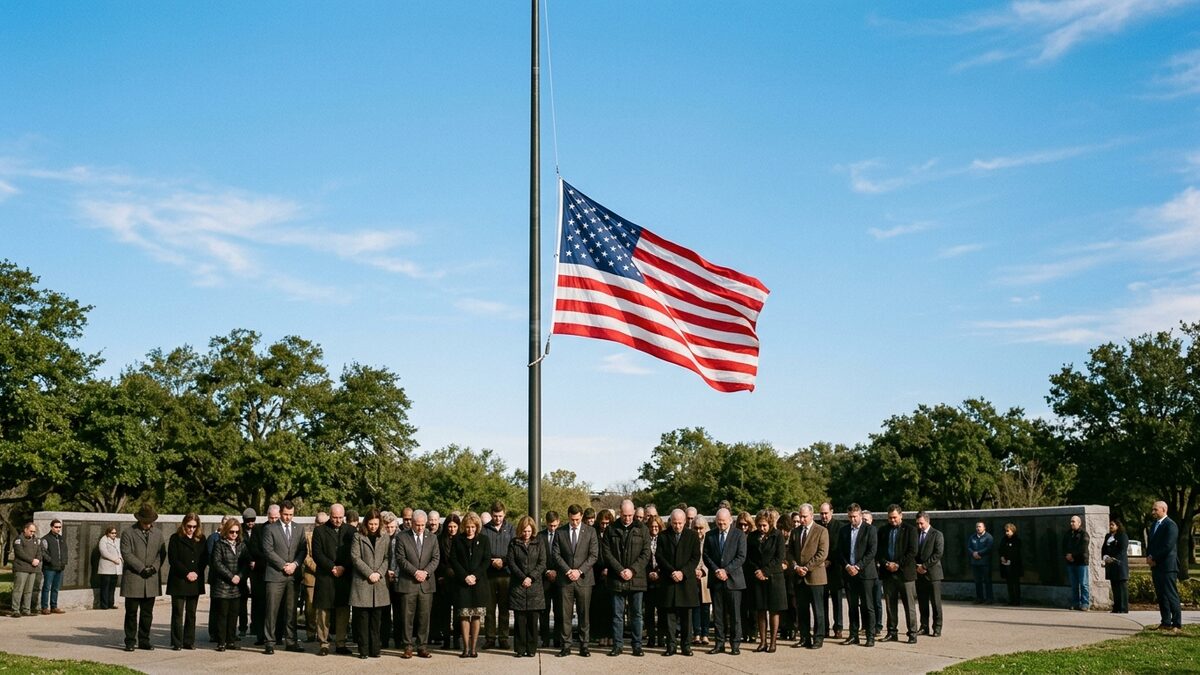
The practice of displaying flags at half-staff carries deep historical roots and symbolic weight, reflecting collective mourning and respect. This article explores the origins and formal protocols governing half-staff displays, revealing how this tradition unites communities in times of loss. Examining the significance behind these rules offers valuable insight into the flag’s role as a timeless emblem of national memory and shared grief.
Key Takeaways
- The tradition of flying the flag at half-staff originated in the early 17th century as a naval mourning practice.
- Half-staff displays symbolize respect, mourning, and remembrance for significant individuals and events.
- The flag is positioned halfway down the flagpole for half-staff displays on land, while ships use the term half-mast.
- Flying the flag at half-staff is a temporary gesture observed during designated mourning periods or solemn occasions.
The tradition of flying the flag at half-staff dates back to the early 17th century, when European naval forces lowered their banners as a sign of mourning for fallen comrades. This solemn gesture, deeply rooted in history, has evolved into a formalized protocol that honors the memory of distinguished individuals, national tragedies, and collective grief. Understanding the rules governing half-staff displays is essential, as they embody respect, unity, and the enduring symbolism of the flag in moments of national reflection.
The Meaning and Significance of Half-Staff
The term “half-staff” refers to the positioning of the United States flag at precisely one-half the distance between the top and bottom of the flagpole. This display serves as a visual symbol of mourning, respect, or remembrance for individuals or events of national or local importance. On land, the term “half-staff” is utilized, whereas “half-mast” is employed for flag displays on ships. Importantly, flying the flag at half-staff is a temporary measure, typically observed only during designated mourning periods or solemn occasions. For example, on Memorial Day, the flag is flown at half-staff until noon to honor fallen service members, after which it is raised to full staff for the remainder of the day. This practice underscores the flag’s role as a unifying emblem during times of collective grief and reflection.
This solemn gesture, deeply rooted in history, has evolved into a formalized protocol that honors the memory of distinguished individuals, national tragedies, and collective grief.
Proper Procedures for Raising and Lowering the Flag to Half-Staff
Flag etiquette rules for half-staff displays prescribe a specific method for raising and lowering the flag to ensure proper respect. When lowering the flag to half-staff, it should first be briskly hoisted to the peak of the staff, then carefully lowered to the halfway point. This procedure signals the commencement of the mourning period or commemorative occasion. Similarly, when the flag is taken down at the end of the day or mourning period, it must first be raised again to the peak before being fully lowered. This protocol applies regardless of the duration of the half-staff display, whether it lasts a single day or several days. The precise half-staff position is codified in U.S. law and flag guidance, reinforcing the importance of uniformity and respect in these ceremonies.
Authority and Duration for Half-Staff Displays
Authority to order the flag to be flown at half-staff primarily resides with the President of the United States, who may issue proclamations for national mourning or to honor distinguished individuals. Federal departments and agencies have the discretion to direct half-staff displays on properties under their jurisdiction as they deem appropriate. Additionally, state governors may order flags at half-staff within their states upon the death of a governor or other significant events. Presidential proclamations often extend the observance to federal buildings, military installations, naval stations, and U.S. facilities abroad. The duration of half-staff displays varies depending on the occasion; for example, the death of a sitting or former President warrants a 30-day period of half-staff observance. Recent proclamations have included tributes to prominent public figures, reflecting the ongoing relevance of half-staff displays as a means of national expression and unity.