
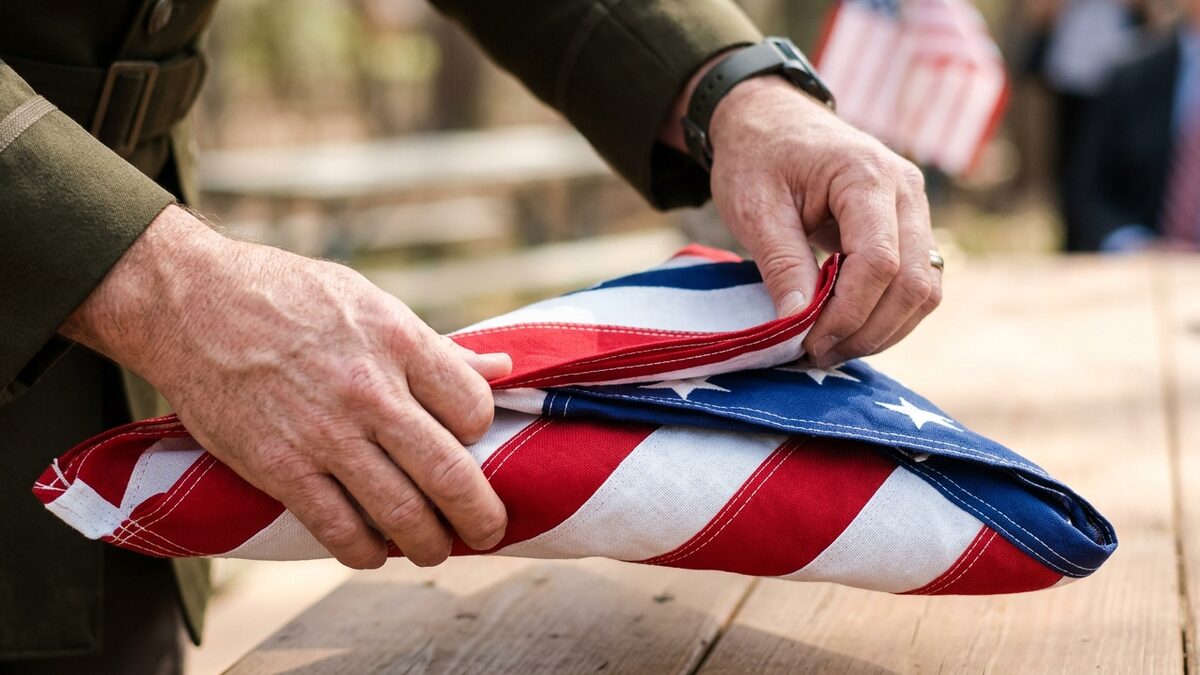
The United States Flag Code, established in 1942, provides essential guidance on honoring the national flag through uniform practices, including its folding. While deeply rooted in military tradition and symbolism, the Code stops short of prescribing a single legally binding folding method. This nuanced approach highlights the intersection of custom, respect, and legal framework surrounding the flag. Exploring these details offers valuable insight into the flag’s enduring significance and proper handling.
Key Takeaways
- The US Flag Code establishes respectful practices for handling the flag but does not mandate a specific folding method.
- The traditional folding technique is rooted in military and veterans’ customs rather than legal requirements.
- Proper flag folding symbolizes national values and honors the sacrifices of Americans.
- Understanding flag etiquette helps preserve the flag’s dignity in line with historical and legal standards.
Since the United States Flag Code was enacted in 1942 to establish uniform practices and respect for the national emblem, it has served as the authoritative guide on flag etiquette, including the precise method of folding the flag. Rooted in longstanding military traditions and ceremonial customs, the prescribed folding technique not only preserves the flag’s dignity but also symbolizes the nation’s values and sacrifices. Understanding these guidelines is essential for honoring the flag in a manner consistent with both historical precedent and legal standards.
The U.S. Flag Code and Flag Folding: Custom Versus Codification
The US Flag Code on Proper Flag Folding does not prescribe a single, legally mandated method for folding the flag. While the Code provides comprehensive rules for displaying and handling the flag respectfully, it stops short of detailing an exact folding sequence. The American Legion clarifies that the widely recognized “traditional method” of folding the flag is a customary practice rather than a statutory requirement. This distinction highlights the role of longstanding military and veterans’ organizations in shaping the ceremonial folding procedures observed today.
Rooted in longstanding military traditions and ceremonial customs, the prescribed folding technique not only preserves the flag’s dignity but also symbolizes the nation’s values and sacrifices.
In practice, the Department of Veterans Affairs (VA) publishes a guide titled “Correct Method of Folding the United States Flag” that presents a standardized ceremonial folding sequence. This method, commonly utilized by military and veterans’ groups, emphasizes respect and dignity over legal prescription. The triangular fold, in particular, has become the accepted ceremonial form for flag retirement and storage, underscoring the symbolic significance accorded to the folding process rather than a strict legal mandate.
Initial Lengthwise Folds: Setting the Foundation
According to the US Flag Code on Proper Flag Folding as interpreted by authoritative sources, the procedure typically begins with two lengthwise folds. The American Legion instructs that the flag should first be straightened and folded lengthwise once, aligning the stripes. This is followed by a second lengthwise fold, designed so that the union—the blue field with stars—remains visible on the outside and fully exposed.
The VA folding guide corroborates this sequence, directing that the lower striped section be folded over the blue field, then folding the resulting edge over again to meet the open edge. These initial folds create a long, narrow flag form that serves as the basis for the subsequent triangular folds. Some sources note that when dealing with larger flags, a third lengthwise fold may be necessary before proceeding to the triangular folding stage to maintain proper proportions and manageability.
Triangular Folding: The Ceremonial Conclusion
Following the lengthwise folds, the flag is folded into a series of triangles moving toward the union. The American Legion details that the first triangular fold begins by bringing the striped corner of the folded edge to the open edge, forming a triangle. The outer point is then folded inward, parallel to the open edge, creating a second triangle. This process is repeated, progressively folding the flag into a compact triangular shape with only the blue union visible.
The VA’s guide continues this triangular folding until the entire flag is reduced to a neatly folded triangle, symbolizing the tri-cornered hats worn by colonial soldiers. This method not only preserves the flag’s dignity but also serves as a tribute to the nation’s heritage and the sacrifices of its service members. Thus, while not legally mandated by the Flag Code, the triangular folding procedure has become the respected ceremonial standard, reflecting the collective values and traditions upheld by the United States.