Differences Between Civilian and Government Flags in the United States
The article explores the nuanced distinctions between civilian and government flags in the United States, revealing how...
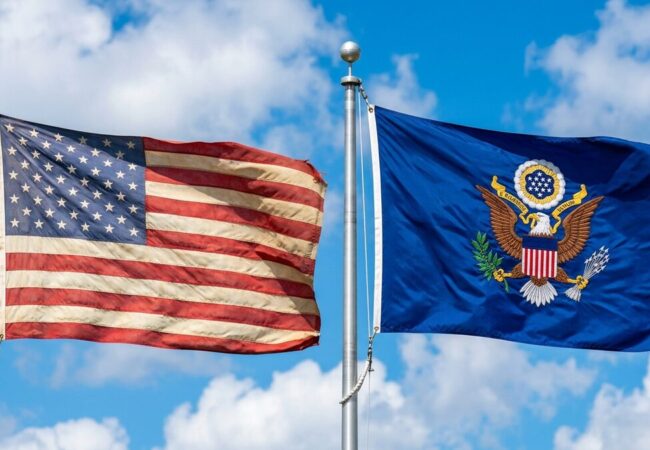
The article explores the nuanced distinctions between civilian and government flags in the United States, revealing how...

The US Flag Code offers a detailed framework for public schools to uphold respectful flag etiquette, shaping how the flag is...
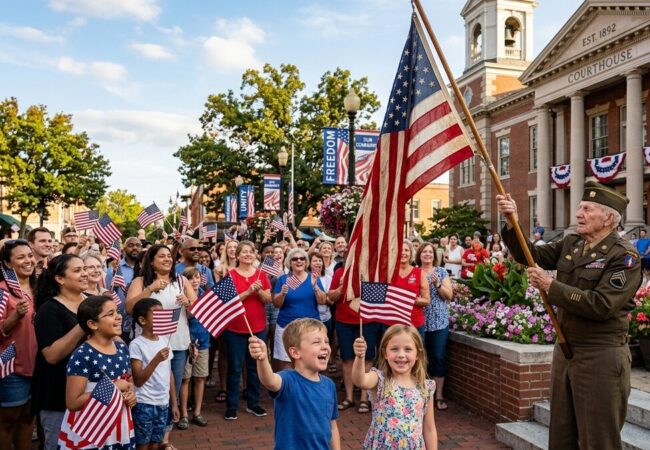
The formal designation of June 14 as Flag Day in 1949 marked a pivotal moment in American civic life, transforming a casual...
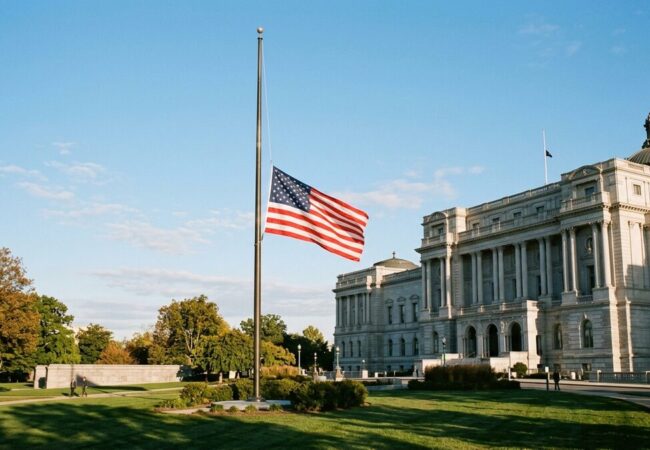
The practice of flying the American flag at half-staff carries deep historical roots and profound symbolic meaning, tracing...
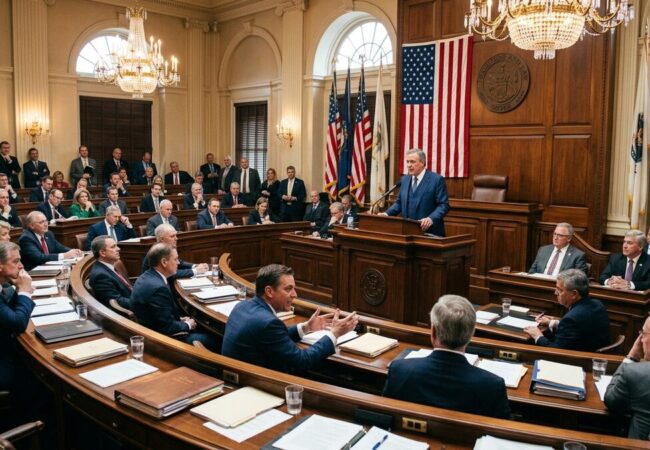
The evolution of US flag protocols reflects a complex interplay between national pride and constitutional rights, shaped by...

The American Flag Code, established during a pivotal moment in history, sets forth precise protocols for the respectful...
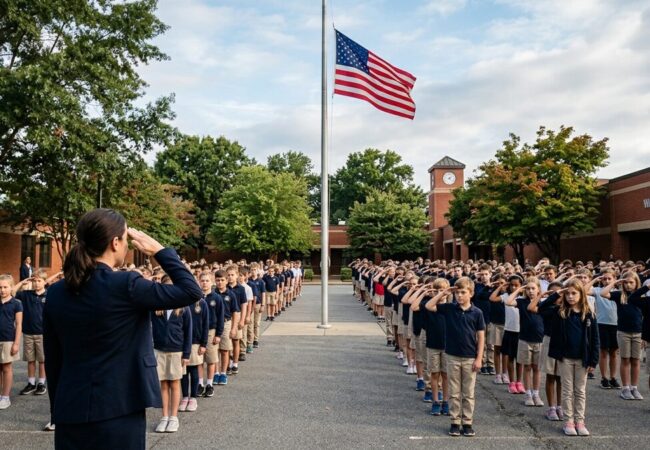
The US Flag Code sets clear standards for how schools should display and handle the national flag, emphasizing respect and...
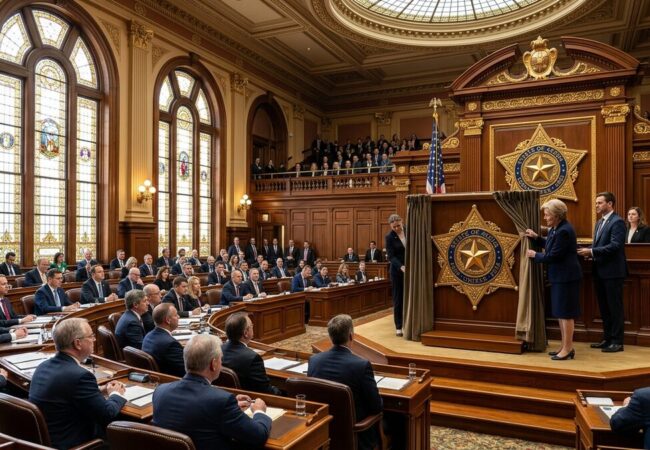
The process of adding a new star to the U.S. flag embodies more than symbolic growth; it reveals a complex interplay of...

The complex intersection of patriotism and constitutional rights is vividly illustrated by the legal restrictions on flag...

The complex intersection of free speech and national symbolism emerges prominently in the legal discourse on American flag...

The tradition of flying the American flag at half-staff serves as a powerful visual expression of collective mourning and...

The United States Flag Code, established in 1942, provides essential guidance on honoring the national flag through uniform...