
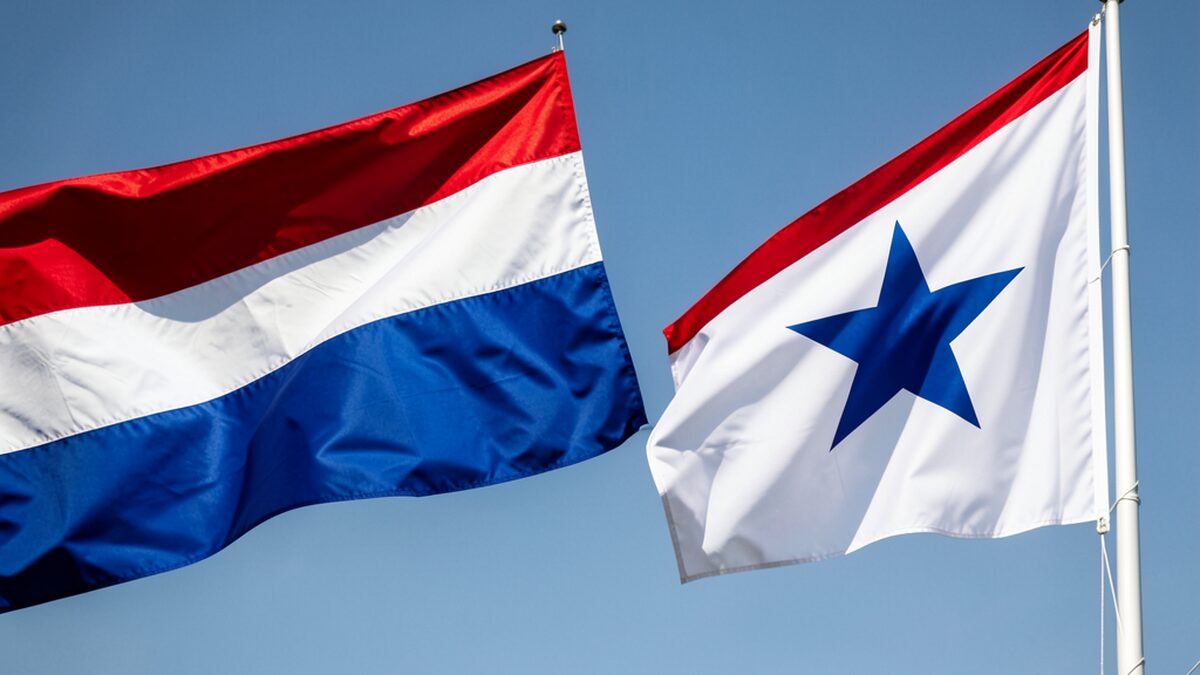
The distinctions between the Service Flag and the National Flag reveal nuanced layers of symbolism within military traditions. While the National Flag embodies collective identity and national pride, the Service Flag conveys a deeply personal narrative of sacrifice experienced by military families. Understanding these differences offers insight into how symbols function on both public and private levels during times of conflict, prompting reflection on their enduring significance in honoring service and sacrifice.
Key Takeaways
- The National Flag represents the nation's sovereignty and collective identity.
- The Service Flag symbolizes the sacrifice of individual military families.
- The National Flag is used in public and ceremonial settings.
- The Service Flag is displayed in private and domestic spaces to honor military service.
The Service Flag and the National Flag stand side by side in military contexts, yet their symbolism and function diverge sharply. The National Flag embodies the sovereign identity and unity of a nation, flown to represent collective allegiance and authority. In contrast, the Service Flag serves as a personalized emblem, signaling the presence and sacrifice of individual military families within that nation’s broader narrative. While the National Flag commands public and ceremonial prominence, the Service Flag operates in intimate, often domestic spaces, marking the toll of war on the home front. This juxtaposition reveals how each flag, though intertwined with military service, occupies a distinct sphere of meaning and use.
Symbolic Representation and Purpose
The primary distinction between the Service Flag and the National Flag lies in their representational scope. The National Flag of the United States, commonly known as the American flag, symbolizes the nation’s sovereignty, unity, and collective identity. It functions as an emblem of national pride, authority, and the democratic ideals upon which the country is founded. In military contexts, it serves as a unifying symbol for all service members regardless of branch, reflecting allegiance to the nation as a whole.
While the National Flag commands public and ceremonial prominence, the Service Flag operates in intimate, often domestic spaces, marking the toll of war on the home front.
Conversely, the Service Flag is a highly personalized banner that recognizes individual family members actively serving in the U.S. Armed Forces during periods of war or hostilities. It is distinguished by a white field bordered in red, with a blue star representing each family member in service. This flag does not represent the nation but rather highlights the presence and sacrifice of a particular family within the broader national conflict. In this way, it operates as a poignant marker of personal commitment and loss, often displayed in domestic settings rather than public or official venues.
Legal Definitions and Official Status
The legal and regulatory frameworks governing these flags further underscore their differences. The National Flag of the United States is strictly regulated under federal law, including statutory design specifications that dictate its proportions, colors, and display protocols. It enjoys the highest legal status and is protected by established flag etiquette that prescribes its precedence and treatment in all official and military contexts.
In contrast, the Service Flag is codified in Title 36, United States Code, Section 901, which formally recognizes it as a family-service banner. Its design—a white field with a red border and blue stars—is specifically prescribed, with variations authorized by the Secretary of Defense for use by immediate family members during wartime or hostilities. While it promotes unity and esprit de corps among military families, the Service Flag is not classified as a branch-specific flag and does not carry the official sovereign status of the National Flag. Department of Defense guidance permits its display as a representational symbol but always subordinate to the National Flag.
Display Protocol and Hierarchy
The differences in display priority and protocol highlight the National Flag’s superior status. When the Service Flag is displayed alongside the National Flag, the latter must take precedence. This includes physical positioning—on a single flagpole, the U.S. National Flag is flown above all subordinate flags, including the Service Flag. If displayed on separate poles, the National Flag should be larger or at least equal in size but never smaller than the Service Flag. These rules reinforce the National Flag’s role as the paramount emblem of national sovereignty and military authority.
Furthermore, formal flag etiquette requires that the Service Flag, while respected for its personal significance, remains subordinate in any public or military context. The National Flag serves as the reference standard for display arrangements, ensuring that all other flags, including the Service Flag, conform to established hierarchies. This protocol preserves the symbolic and ceremonial primacy of the National Flag while allowing the Service Flag to fulfill its role as a symbol of familial military service and sacrifice.